


What to Expect from a Good Bookkeeper
- Robert Mabon
- Nov 15, 2025
- 5 min read
You've been handling your own books for months, maybe even years. The spreadsheets are getting unwieldy, receipts are piling up, and you're spending more time on numbers than growing your business. The thought of hiring a bookkeeper feels like both a relief and a leap into the unknown.
What exactly should you expect from a professional bookkeeper? It's a fair question: especially when you're trusting someone else with the financial heartbeat of your business.
Your Financial Record-Keeping Champion
A good bookkeeper becomes the guardian of your business's financial story. They don't just input numbers: they create a comprehensive system that captures every financial transaction with precision and purpose.
You should expect your bookkeeper to handle all day-to-day financial transactions, from recording sales and expenses to managing invoices and receipts. They'll maintain your general ledger (think of it as your business's financial diary) and ensure every penny is accounted for in the right place.
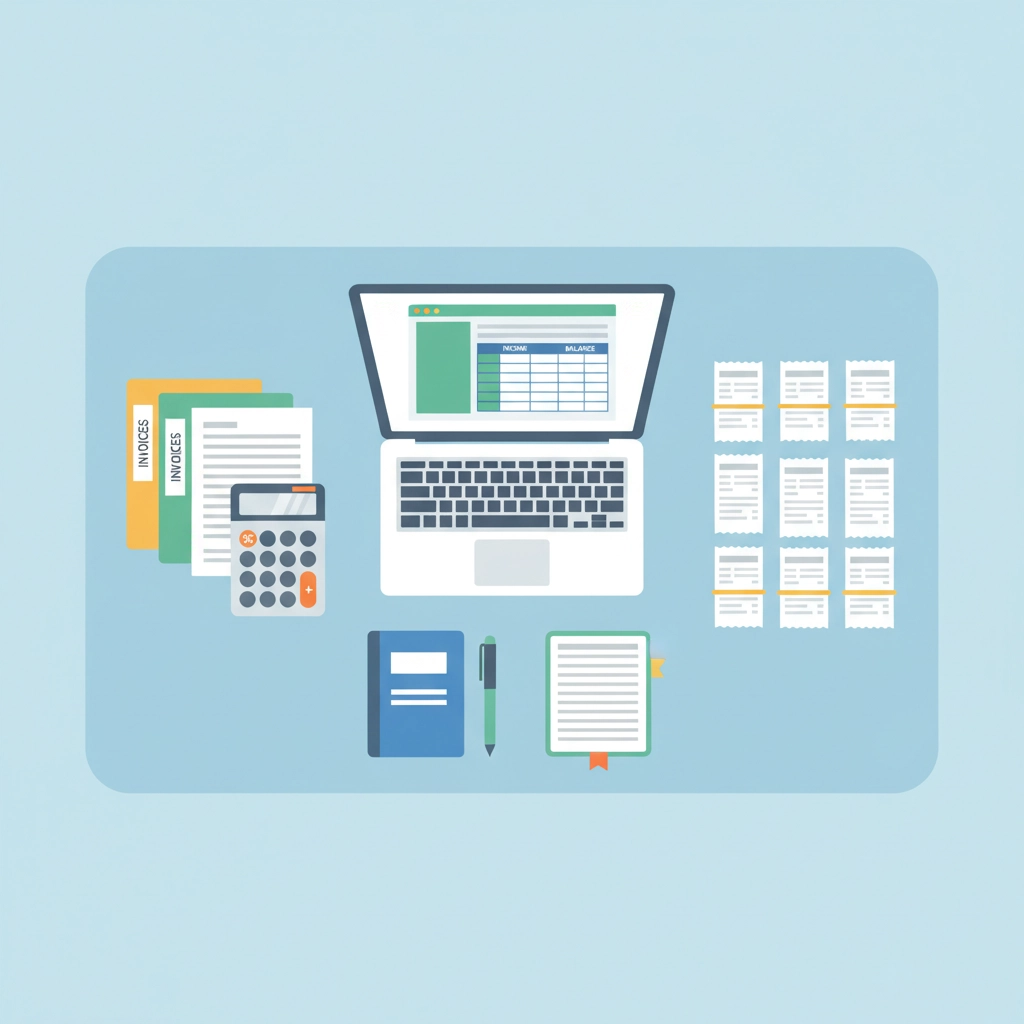
Bank reconciliations happen like clockwork with a competent bookkeeper. Every month, they'll match your business bank statements with your books, catching any discrepancies before they become bigger problems. This includes reconciling sales taxes, payroll taxes, and any other accounts that need regular attention.
Your accounts payable and receivable get proper management too. That means vendor bills are tracked and paid on time (helping maintain good supplier relationships), while customer invoices are sent promptly and followed up when needed.
The Characteristics That Set Good Bookkeepers Apart
Attention to Detail Is Non-Negotiable
You're entrusting someone with your business's financial accuracy. A misplaced decimal point or transposed number can throw your entire financial picture off course. Good bookkeepers have an almost obsessive attention to detail: and that's exactly what you want.
They catch errors before they compound. They notice when something doesn't add up. They double-check their work because they understand that accuracy isn't just nice to have: it's essential for your business decisions.
Organization That Actually Works
A good bookkeeper doesn't just keep neat files (though they do that too). They create systems that work for your specific business. They know where every document lives, when reports are due, and how to present information in ways that make sense to you.
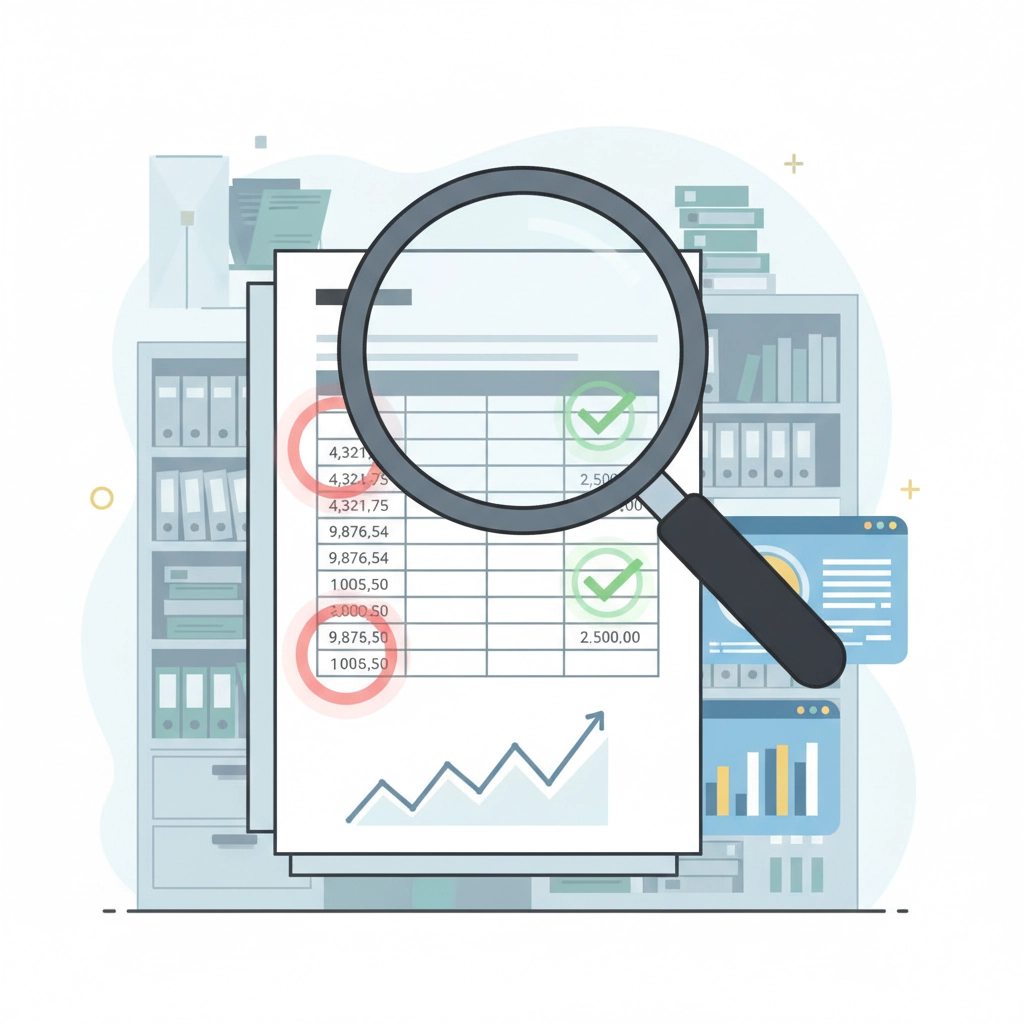
You should expect organised monthly reporting, consistent filing systems, and clear processes for handling different types of transactions. No more hunting through boxes of receipts or wondering where that important invoice went.
Honesty and Integrity You Can Trust
This person handles your money, sees your financial vulnerabilities, and knows your business's most sensitive information. A good bookkeeper operates with complete transparency and maintains the highest ethical standards.
They'll tell you when they've made a mistake (and fix it immediately). They'll recommend cost-saving measures even if it means less work for them. They'll keep your financial information confidential and secure.
Proactive Problem-Solving and Communication
They Spot Issues Before They Become Problems
A truly good bookkeeper doesn't just record what happened: they analyse trends and identify potential issues. You should expect them to notice unusual expenses, catch recurring billing errors, or flag cash flow concerns before they impact your operations.
When they find discrepancies, they don't just highlight the problem: they investigate the cause and present solutions. This proactive approach saves you time, money, and stress.
Clear, Regular Communication
You shouldn't have to guess what's happening with your books. A good bookkeeper provides regular updates, explains financial concepts in plain English, and responds promptly to your questions.
They understand that you're not an accounting expert (that's why you hired them), so they explain things without talking down to you. When you ask about your cash flow or profit margins, they give you answers you can actually understand and act upon.

Flexibility That Matches Your Business Needs
Your business is unique, and your bookkeeper should adapt their services accordingly. Whether you run a retail shop, consulting business, or manufacturing company, they adjust their approach to fit your industry's specific requirements.
They're willing to learn about your business model, understand your peak seasons, and accommodate your preferred communication style and meeting schedules.
What You'll Receive: Deliverables That Drive Decisions
Timely, Accurate Financial Statements
Every month, you should receive clear financial statements that tell your business's story. This includes your profit and loss statement (showing how much money you made and spent), balance sheet (showing what you own and owe), and cash flow statement (tracking money movement).
These aren't just compliance documents: they're business intelligence tools that help you make informed decisions about hiring, investing, or adjusting your strategy.
Reconciled, Up-to-Date Records
Your books should always be current and reconciled. This means when your accountant needs information for tax returns, everything is ready. When you need to apply for financing, your financial records present a professional, accurate picture of your business.
Compliance and Audit Readiness
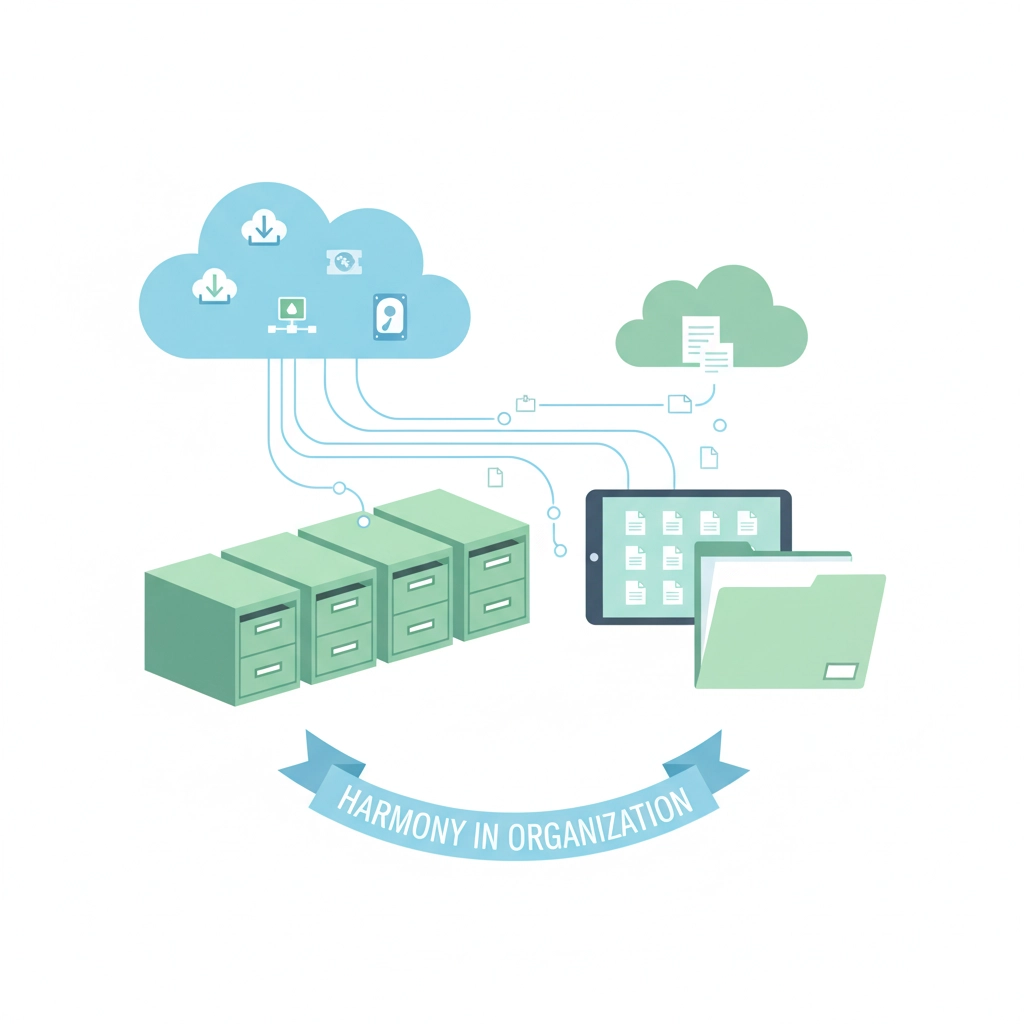
A good bookkeeper keeps you compliant with tax requirements and business regulations. They maintain proper documentation, ensure transactions are correctly categorised, and keep records organised in case of audits or reviews.
This compliance work happens quietly in the background, but it protects you from penalties, fines, and legal complications that could seriously impact your business.
The Big Picture Perspective
Understanding Your Business Beyond the Numbers
Exceptional bookkeepers don't just process transactions: they understand your business goals and challenges. They see how your financial decisions impact your operations and can offer insights about trends, opportunities, and potential concerns.
When you're considering a major purchase or expansion, they can provide the financial context you need to make smart decisions. When cash flow gets tight, they help you understand why and what you can do about it.
Continuous Learning and Professional Development
The accounting world constantly evolves with new regulations, software updates, and best practices. Good bookkeepers stay current with these changes so your business benefits from the latest knowledge and tools.
They're not afraid to admit when they don't know something, and they'll research answers or connect you with specialists when needed.

Setting Realistic Expectations
What a Bookkeeper Isn't
While good bookkeepers provide valuable financial insights, they're not financial advisors or tax strategists (unless specifically qualified in those areas). They maintain your records and ensure accuracy, but major financial planning and tax strategy typically require additional expertise.
The Value of Professional Partnership
Working with a good bookkeeper should feel like gaining a trusted business partner who genuinely cares about your success. They become familiar with your business cycles, understand your challenges, and celebrate your wins.
This relationship goes beyond mere transaction recording: it's about having someone who understands your business's financial health and can help you maintain and improve it over time.
When you find a good bookkeeper, you're not just outsourcing a task: you're gaining peace of mind, professional expertise, and the freedom to focus on what you do best: growing your business.
The right bookkeeper transforms your relationship with your business finances from a source of stress into a foundation for confident decision-making. That's what you should expect, and that's what you deserve.
Comments