


The Real Cost of DIY Bookkeeping Vs Outsourcing: 7 Hidden Expenses You're Missing
- Robert Mabon
- Nov 12, 2025
- 5 min read
Picture this: It's 11 PM on a Sunday night, and you're hunched over your laptop, squinting at spreadsheets that just won't balance. Your coffee's gone cold, your family's already asleep, and you're questioning every financial decision you've made this quarter. Sound familiar?
If you're nodding your head right now, you're not alone. Thousands of small business owners believe they're saving money by handling their own bookkeeping: but the reality might shock you. Those "savings" often turn into hidden expenses that can cost you thousands more than professional services ever would.
Let's dive into the seven hidden costs that are quietly draining your business (and your sanity).
1. The Time Trap: Your Most Expensive Hidden Cost
Here's the uncomfortable truth: every hour you spend wrestling with QuickBooks is an hour you're not growing your business. Small business owners spend an average of 20 hours monthly on financial tasks, and at typical UK bookkeeper rates of £13–£30 per hour (up to around £60 for specialist London firms), that's £260–£600 monthly (or £3,120–£7,200 annually) in labour cost—before you even factor in your own opportunity cost.
Think about it: those 20 hours could be spent landing new clients, developing innovative services, or building strategic partnerships. Instead, you're categorising receipts and chasing down bank reconciliations that still don't make sense.
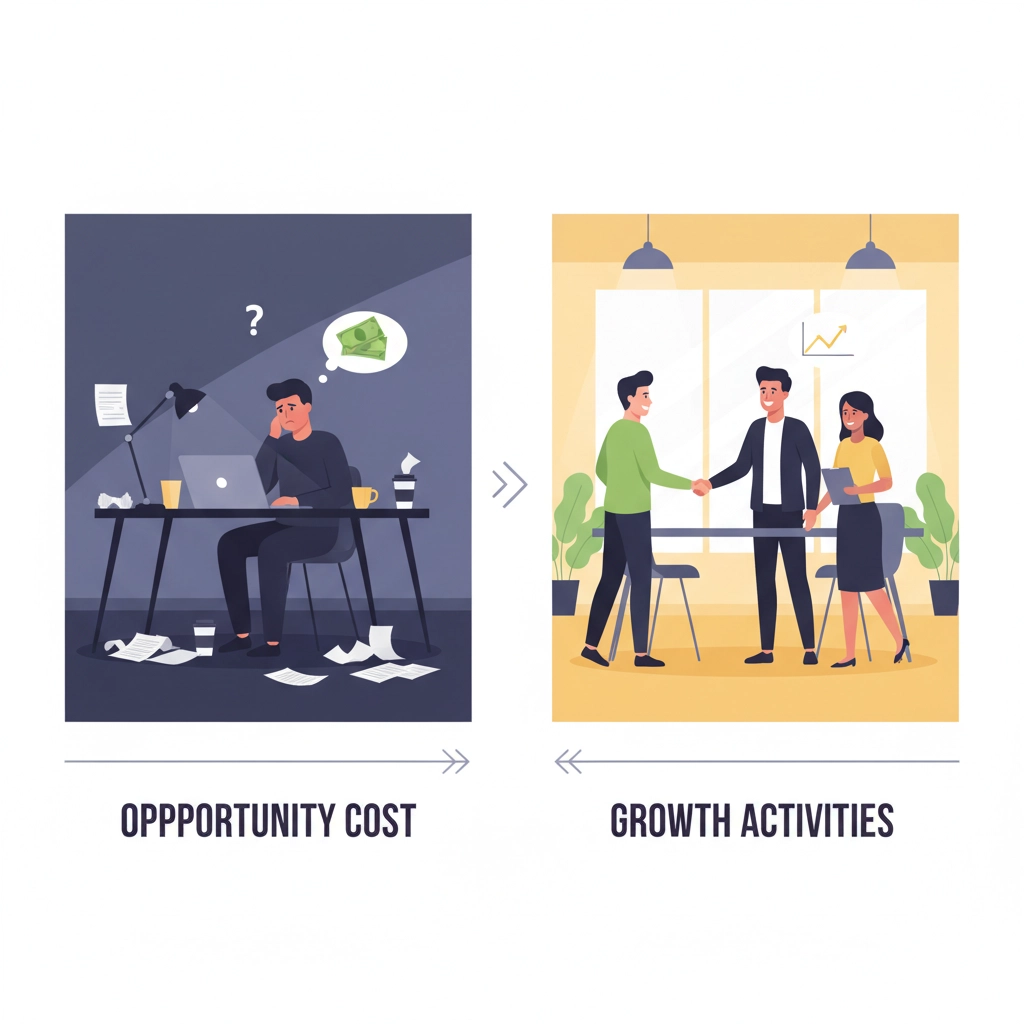
One of our clients, a café owner, used to spend entire weekends on bookkeeping. After switching to professional services, she used those freed-up hours to launch a catering side business that now generates an additional £3,000 monthly. That's the power of focusing on what you do best.
2. Expensive Mistakes That Keep Adding Up
When you're not an accounting expert, mistakes happen: and they're costly. The research is sobering: accounting errors cost small businesses an average of £2,800 per year in tax overpayments alone. But that's just the beginning.
HMRC penalties can be brutal. VAT late payment: if you pay 16–30 days late, HMRC charges a first penalty of 2% of the VAT outstanding at day 15; at 31+ days, a further 2% of the VAT outstanding at day 30 applies. From day 31, a second penalty accrues daily at 4% per year until you pay, and late payment interest is also charged (Bank of England base rate + 2.5%). VAT late filing: under the penalty points system, fines of £200 apply once you reach the threshold (2 points for annual, 4 for quarterly, 5 for monthly returns)—even if no VAT is due. Corporation Tax late filing: the first penalty is £100 if your return is up to 3 months late, with higher penalties if it's later, plus interest on any unpaid tax.
Even seemingly small errors compound. One contractor we know faced a £4,300 penalty after HMRC discovered inconsistencies in his self-employed records during a routine enquiry. The worst part? A professional bookkeeper would have spotted and prevented those discrepancies for a fraction of that cost.
3. The Allowable Expenses Blind Spot That's Costing You Thousands
This one stings because you're literally leaving money on the table. Research shows that DIY bookkeepers miss an average of 11% of allowable expenses: most commonly travel and subsistence, mileage, and equipment purchases.
Here's a real example: A limited company director with £280,000 in turnover was doing his own books and claimed £15,000 in allowable expenses. When a professional reviewed his records, they found an additional £17,400 in missed allowable expenses. That oversight cost him roughly £3,500 in unnecessary tax.
The problem isn't that you don't know these expenses exist: it's that without proper systems, you're not capturing them consistently. That business lunch you forgot to log, the home office expenses you weren't sure how to calculate, or the capital allowances on equipment you didn't realise you could claim all add up to significant losses.
4. Flying Blind: The Cash Flow Catastrophe
Poor bookkeeping creates dangerous blind spots in your financial picture, and cash flow problems kill 82% of small businesses. When your books are messy or behind schedule, you're making critical decisions based on outdated or incomplete information.
Imagine approving a large equipment purchase thinking you have plenty of cash, only to discover weeks later that several large invoices haven't been paid yet. Or missing early payment discounts from suppliers because you didn't have a clear picture of upcoming cash flows.
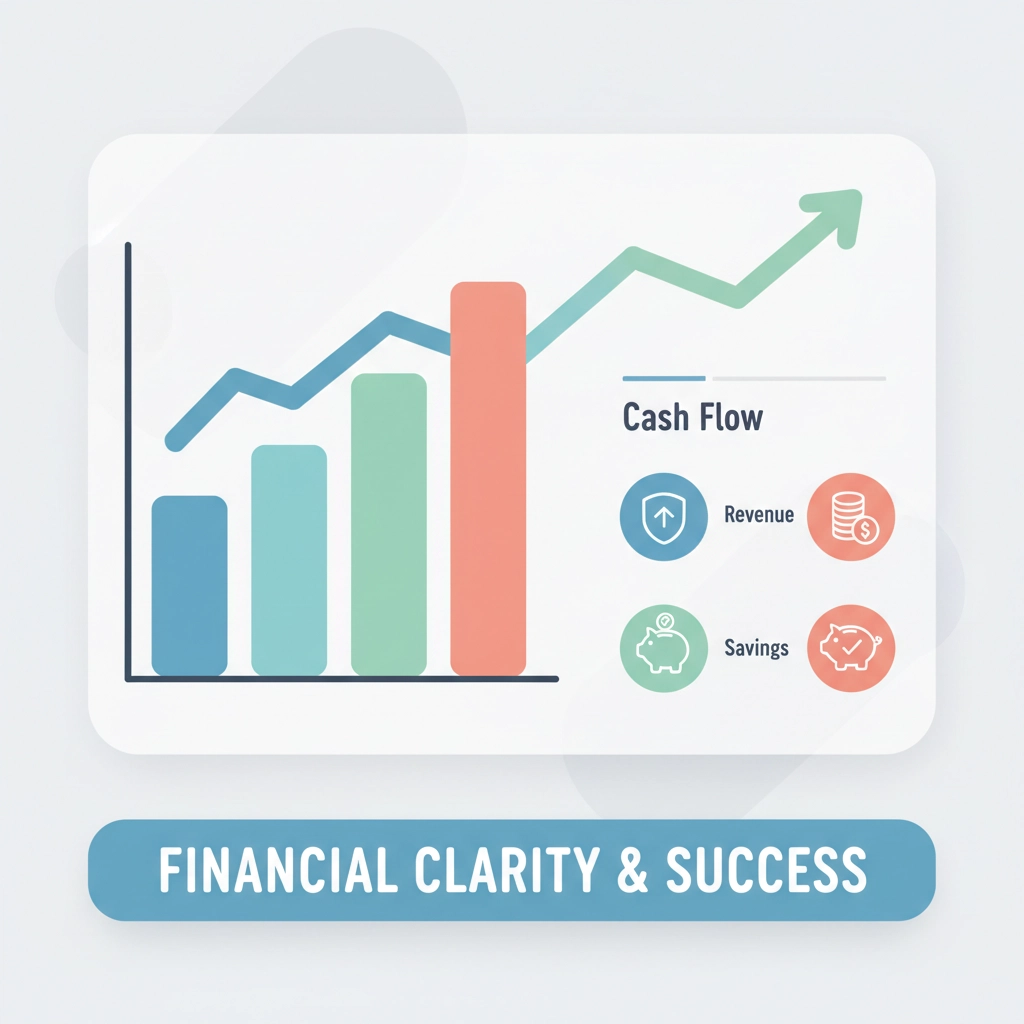
Without real-time financial data, you're essentially driving your business with a fogged-up windscreen. The lack of visibility can cost businesses approximately £8,000 in losses from poor decisions based on delayed financial information.
5. The Compliance Minefield You're Walking Through
Late filings create a domino effect of financial problems. Beyond immediate penalties, they trigger increased scrutiny from HMRC, extended audit risk, and potential investigations that can drag on for years.
An HMRC enquiry (a compliance check) isn't just expensive: it's disruptive. You'll need to gather years of documentation, potentially hire professional help anyway, and deal with the stress of having your finances examined with a fine-tooth comb. One HMRC enquiry triggered by filing errors resulted in £15,000 in underpaid tax, interest, and penalties that could have been entirely avoided with proper bookkeeping.
The compliance landscape is constantly changing too. Making Tax Digital requirements, IR35 changes, and evolving VAT rules mean you need to stay current on regulations that affect your specific situation. When you're focused on running your business, it's easy to miss these updates: but ignorance isn't a valid defence when penalties arrive.
6. The Software and Training Money Pit
Many business owners purchase bookkeeping software thinking it's the solution, but software is only as good as the person using it. If you don't know how to set up chart of accounts properly, categorise transactions correctly, or run meaningful reports, you're paying for a tool you're not using effectively.
Training courses and continuing education represent ongoing costs that quickly compound. You might spend £500 on a QuickBooks course, another £300 on VAT training, and £200 on year-end accounts and procedures: all while still making costly mistakes because you're trying to become an expert in something outside your core business.

7. The Hidden Health Cost: Stress and Burnout
This might be the most overlooked expense, but it's very real. The constant worry about compliance, the frustration of numbers that won't reconcile, and the fear of making costly mistakes takes a measurable toll on your mental health and productivity.
Financial stress doesn't stay contained to your bookkeeping hours. It follows you home, affects your sleep, and impacts your decision-making throughout your business. When you're constantly stressed about whether your books are correct, you're not operating at your peak performance in other areas of your business.
The Professional Alternative: Why Outsourcing Actually Saves Money
When you add up these hidden costs: lost time, penalties, missed deductions, poor decisions, compliance risks, software expenses, and stress: DIY bookkeeping typically costs far more than professional services.
Professional bookkeepers bring expertise in current tax regulations, financial reporting standards, and compliance requirements that DIY approaches simply cannot replicate. They provide error-free bookkeeping with timely reconciliations, interpret your financial data to offer actionable insights, and ensure your finances comply with current laws.
Most importantly, they free up your time to focus on what generates revenue for your business.
Making the Right Choice for Your Business
The decision between DIY and professional bookkeeping isn't really about the monthly fee: it's about the total cost of ownership. When a professional service costs £300-500 monthly but saves you £3,000+ annually in hidden expenses while giving you back 20 hours of productive time each month, the math becomes clear.
Your time, peace of mind, and business growth are worth far more than the cost of proper bookkeeping support. The question isn't whether you can afford professional help: it's whether you can afford to keep doing it yourself.
Ready to explore how professional bookkeeping could transform your business finances? Book a free 15-minute discovery call to discuss your specific situation and learn how we can help you avoid these costly hidden expenses while focusing on what you do best( growing your business.)
Comments